Policyholder blog & guides
Nevada property-claim guidance, clearly explained.
Original, source-backed articles to help you document damage, preserve records, and ask better claim questions.
Practical claim guides
Start with what happened.
Every article is reviewed for this market and links directly to the government sources used. We prioritize useful, verifiable guidance.
 01
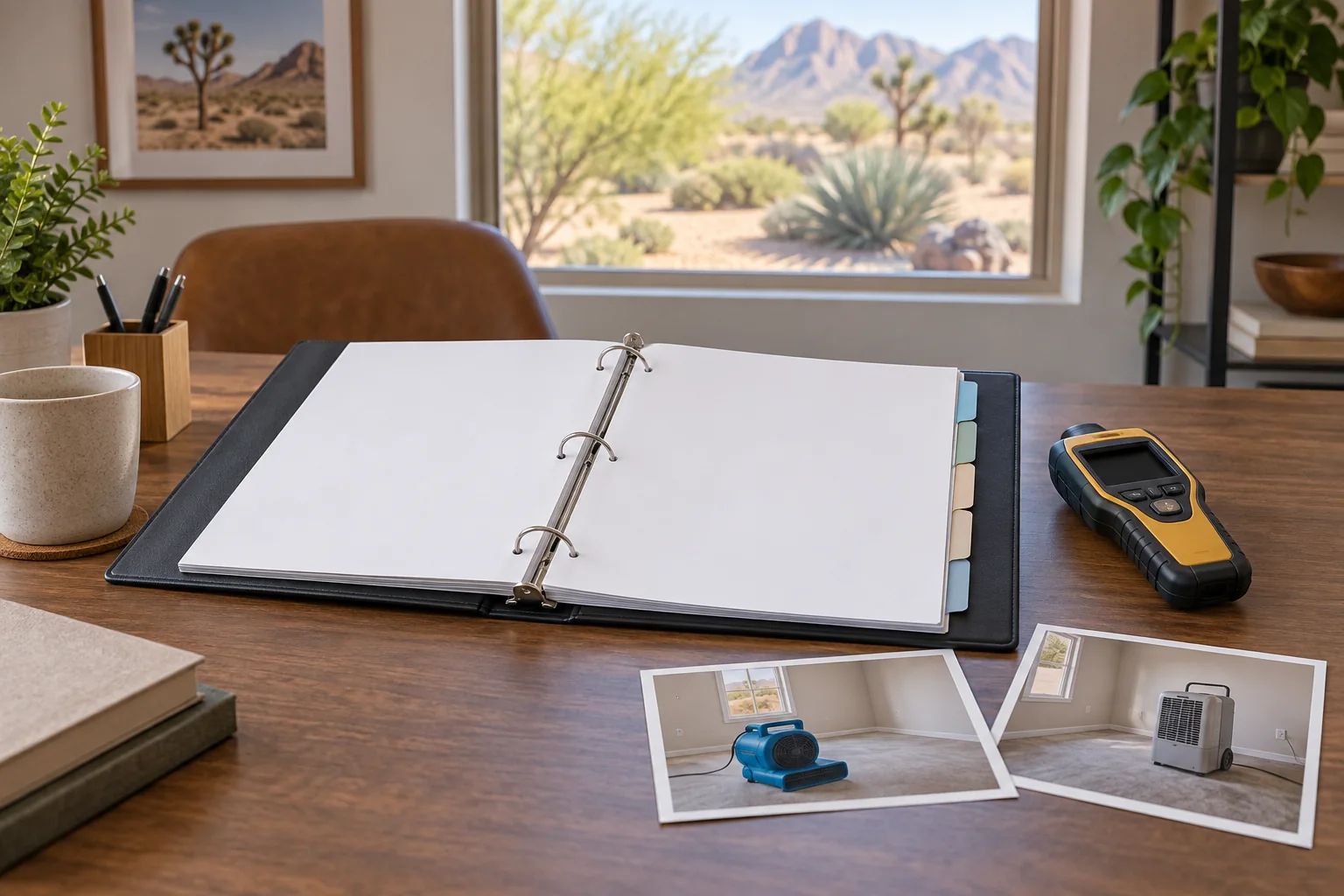
01Nevada Water Claims: Organize Drying Records
A drying invoice and a moisture log answer different questions. Connect the room, date, equipment and supporting report so a reviewer can follow the work.
Read article ↗ 02
02Nevada Claims: Rebuild an Inventory Without Receipts
A missing receipt leaves a question to document. Use one record per item, connect each detail to its source and keep estimates separate from confirmed facts.
Read article ↗ 03
03Nevada Repair Changes: Keep a Clear Change-Order File
A revised repair total can hide several different decisions. Keep a record of what changed, which version was signed and what the insurer actually received.
Read article ↗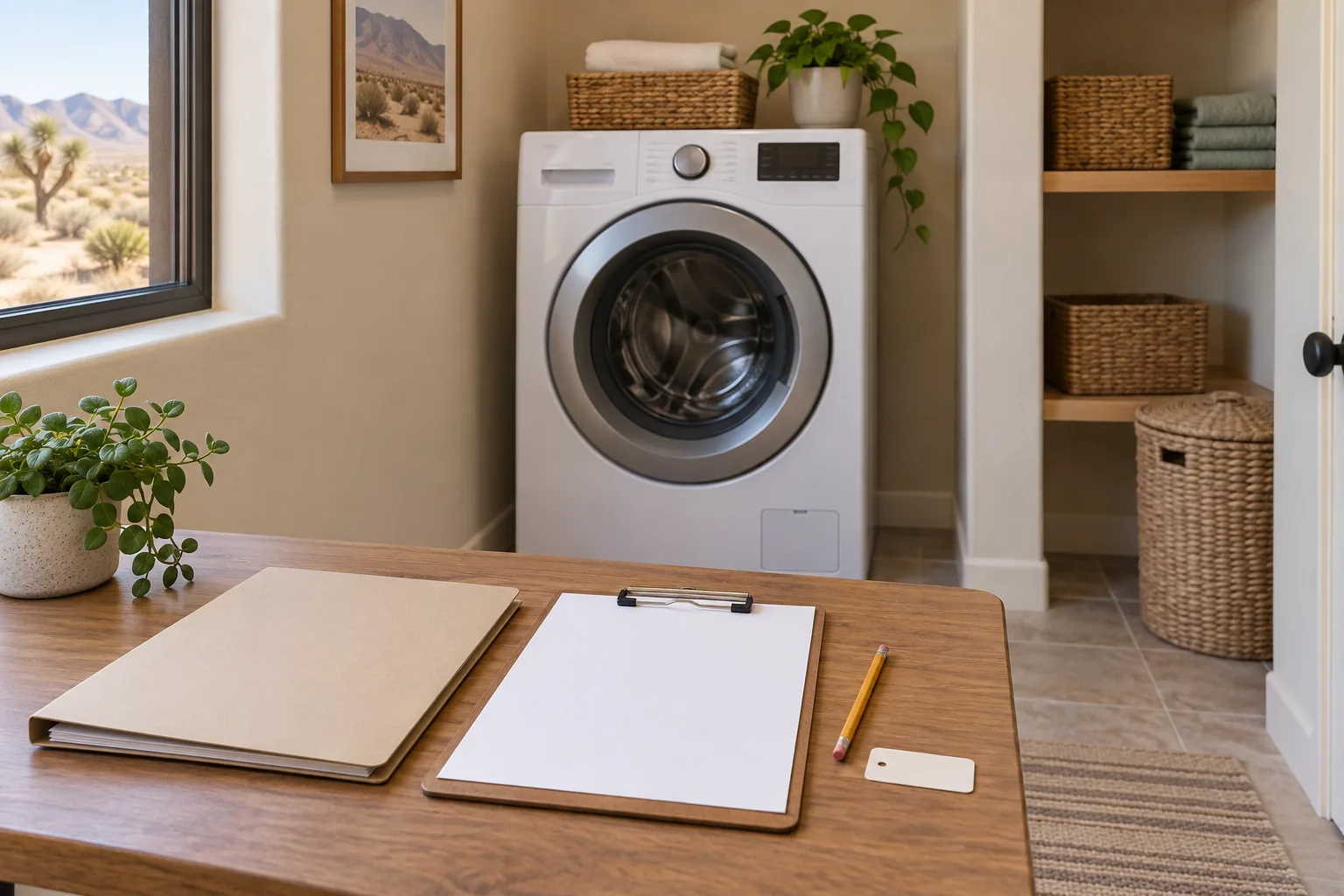 04
04Nevada Appliance Damage: Build a Service-Report File
A service visit can produce several different records. Connect them to the right appliance and keep technical findings separate from insurance decisions.
Read article ↗ 05
05Nevada Rental Damage: Keep Everyone’s Messages Organized
One damaged rental can produce several message threads. Use a shared timeline to track observations, appointments and unanswered questions without confusing them with coverage decisions.
Read article ↗ 06
06How to Request a Property Claim Status Update in Nevada
Replace a vague “any update?” with a short request that identifies what was submitted, what remains open and what needs a response.
Read article ↗ 07
07Comparing Repair Estimates in Nevada: Start with the Scope
Two totals can describe different work. Organize the differences before asking what they mean for your claim.
Read article ↗ 08
08Before a Nevada Property Inspection: Six Questions for Your Insurer
A short question sheet helps clarify what the inspection will cover and what still needs a response.
Read article ↗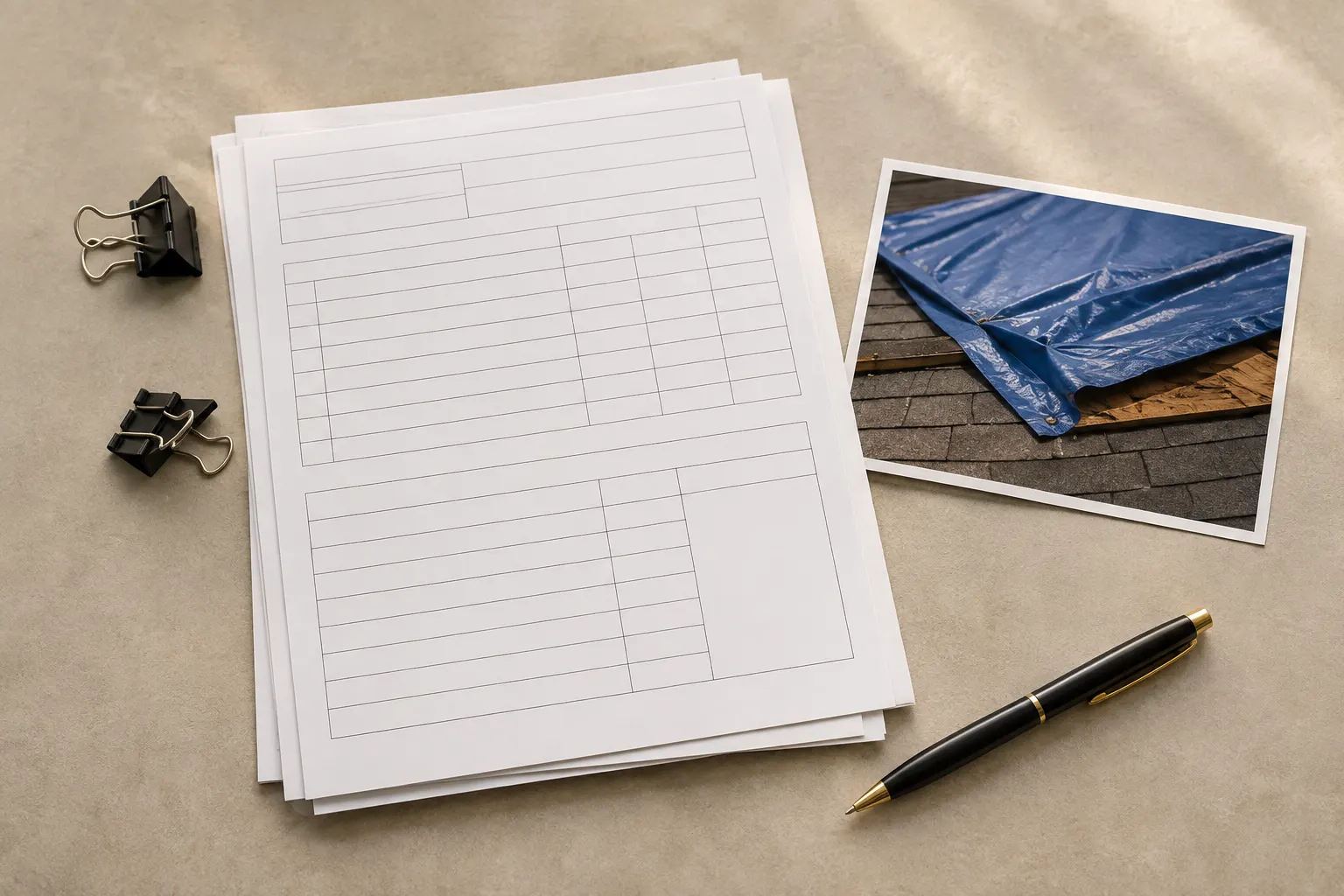 09
09Temporary-Repair Invoices in Nevada: Prepare for a Claim Review
Organize temporary-repair invoices for a Nevada property claim with itemized charges, matching photos, payment records and a clear review checklist.
Read article ↗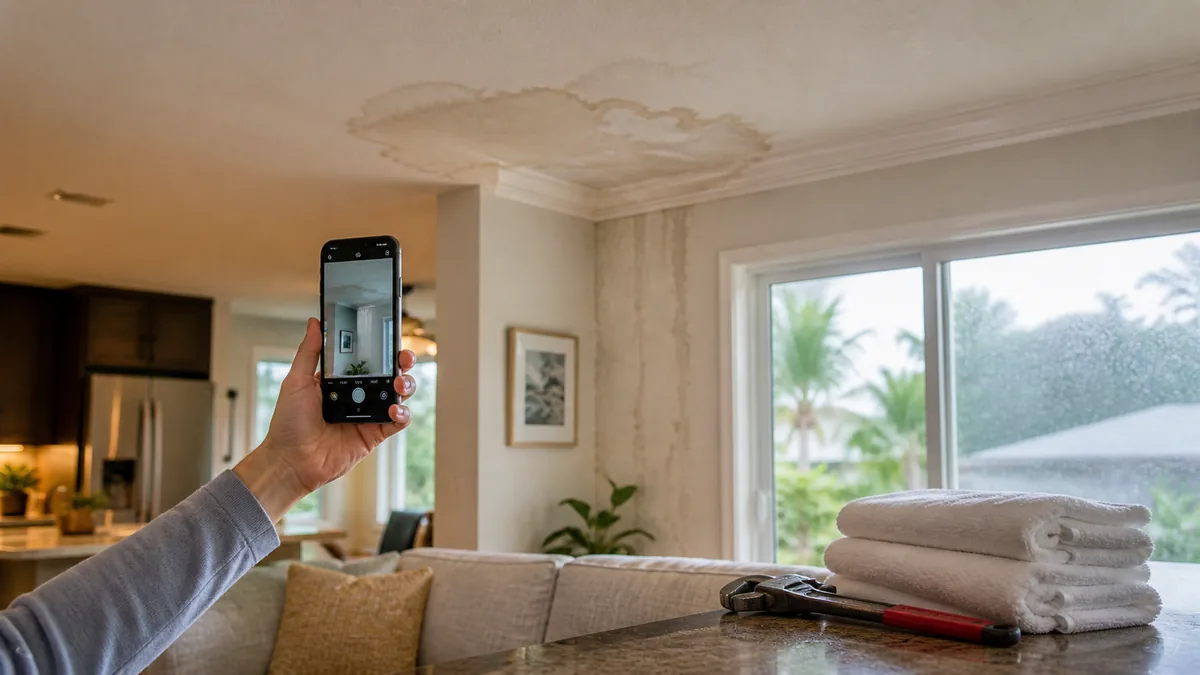 10
10The First 24 Hours After Property Damage in Nevada
A calm first-day plan helps Nevada policyholders protect people, preserve changing conditions, and begin a reliable claim record.
Read article ↗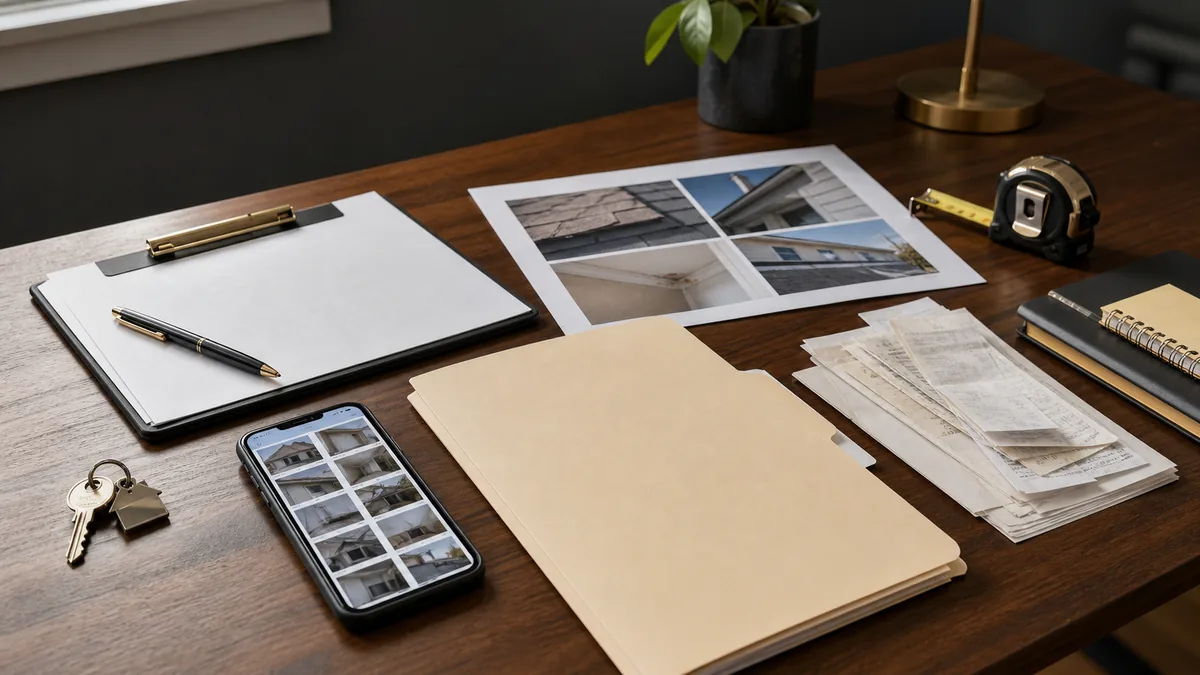 11
11Nevada Property Claim Photos: A Practical Documentation System
Useful photographs explain where damage is, what surrounds it, how large it is, and how conditions change—not only what a close-up looks like.
Read article ↗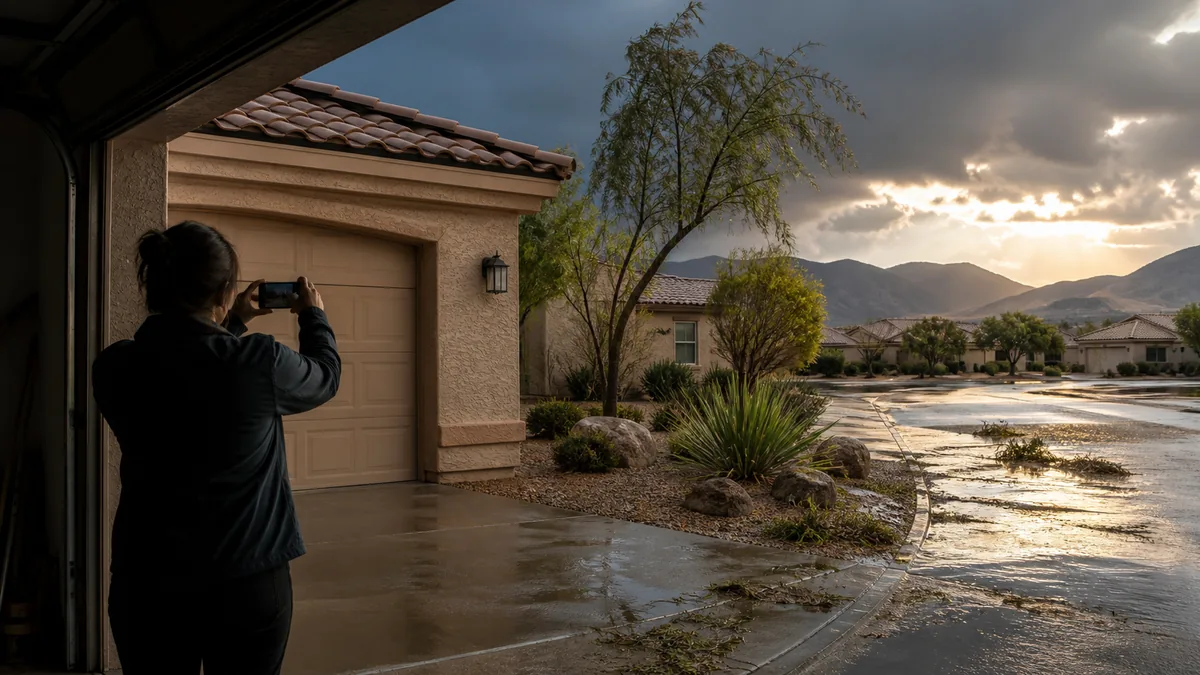 12
12Nevada Monsoon and Flash-Flood Property Damage: What to Document
Nevada thunderstorms can combine outflow wind, intense rain, lightning, hail, and fast runoff; document each pathway without entering floodwater.
Read article ↗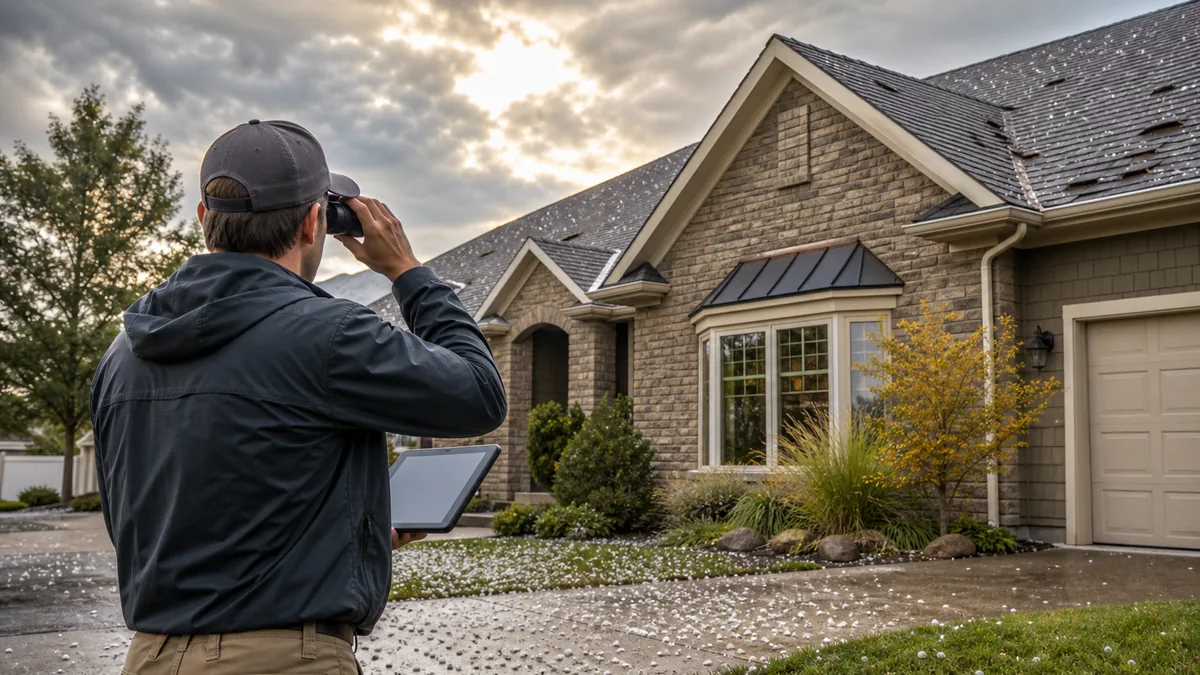 13
13Nevada Roof, Wind, and Hail Damage: How to Build the Record
Nevada storms can produce strong outflow wind and hail; a building-specific record should connect exterior observations to interior effects.
Read article ↗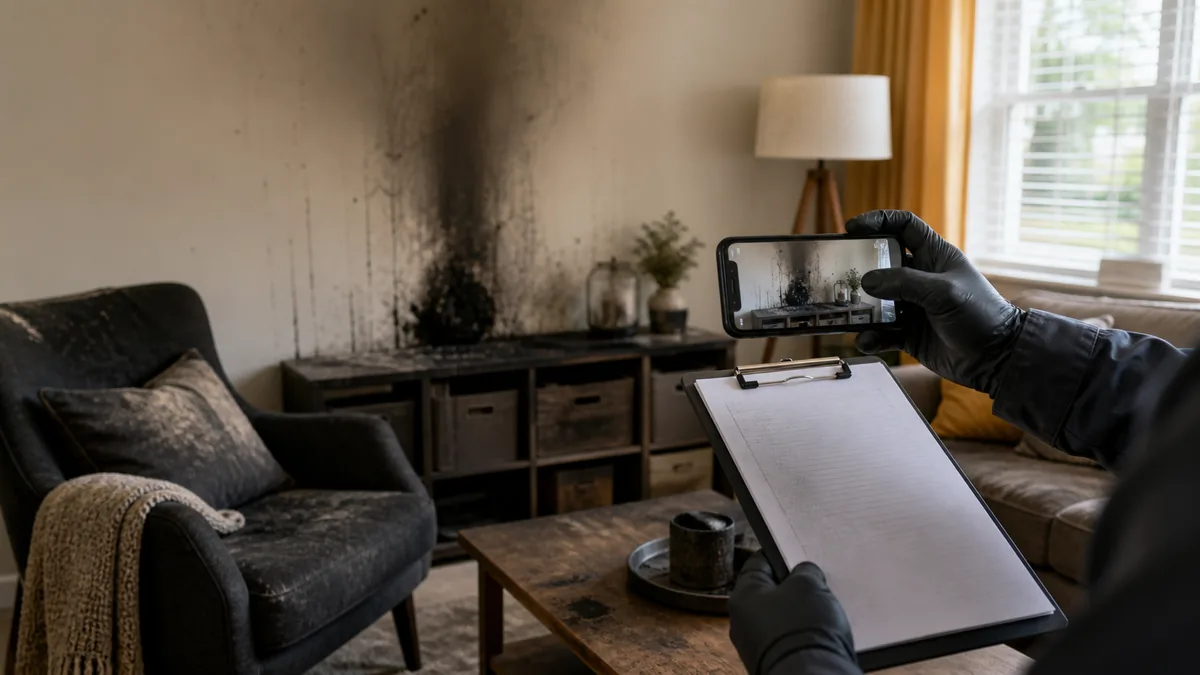 14
14Nevada Fire and Smoke Claims: A Room-by-Room Inventory Guide
Fire damage can extend beyond the burned area through smoke, soot, suppression water, openings, systems, contents, and displacement.
Read article ↗ 15
15Denied Nevada Property Claim? How to Review the Decision
A careful response begins with the insurer’s exact written reasons, the complete policy, and an issue-by-issue comparison with the claim evidence.
Read article ↗ 16
16Understanding Nevada Property Claim Payments and Checks
Nevada DOI notes that a claim may be paid in multiple checks. Read every payment with its estimate, explanation, prior payments, and policy terms.
Read article ↗ 17
17How to Choose a Licensed Public Adjuster in Nevada
Nevada defines a public adjuster as representing the insured’s financial interests; verify the license and understand the written agreement before hiring.
Read article ↗Essential resources
Short checklists worth keeping.
This article provides general educational information. It does not interpret any policy, provide legal or safety advice, or guarantee coverage, payment, or results. The applicable policy, endorsements, facts of the loss, and insurer process control each claim. For health, fire, electrical, structural, or contamination hazards, follow public-authority and qualified-professional instructions.