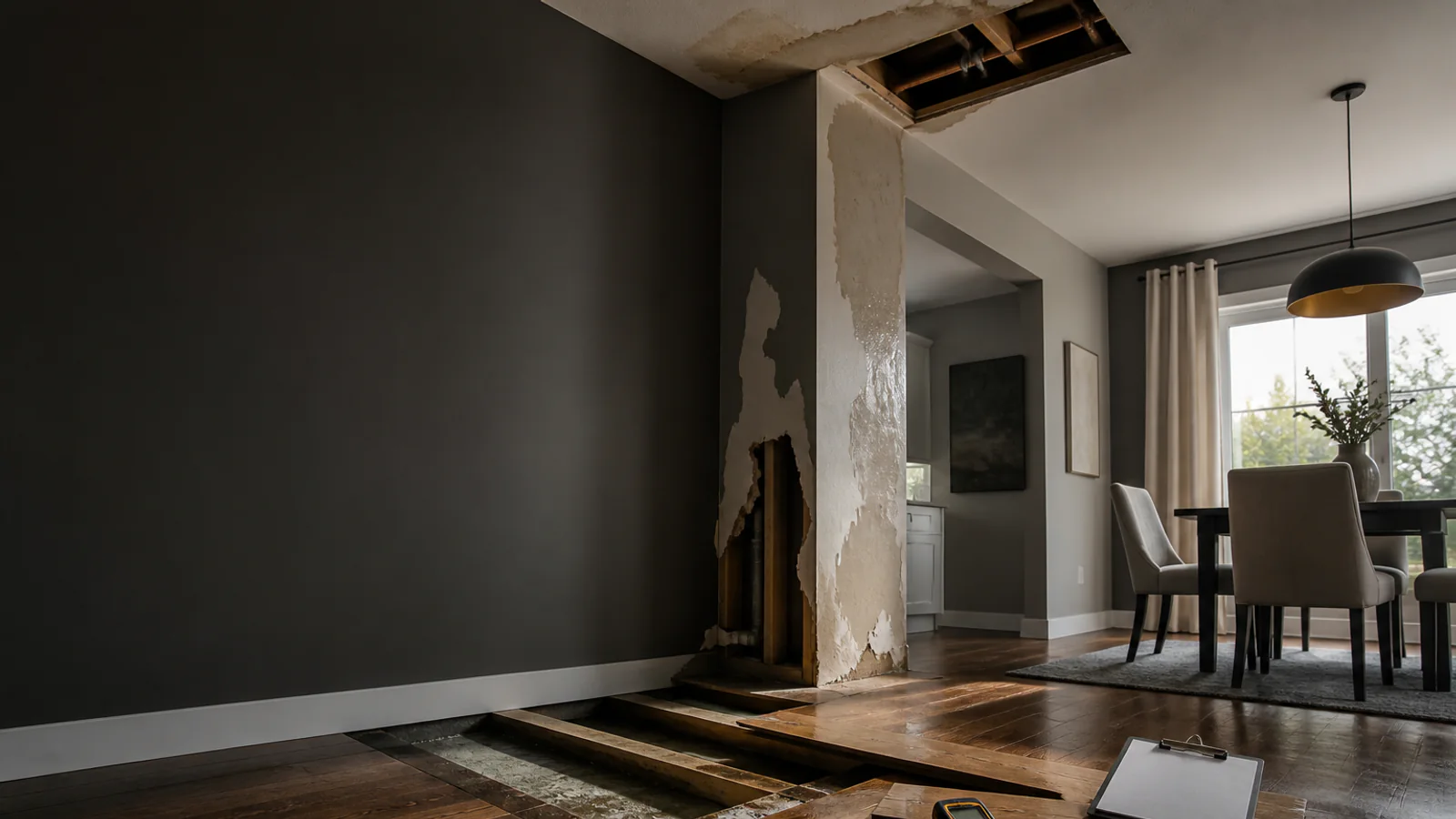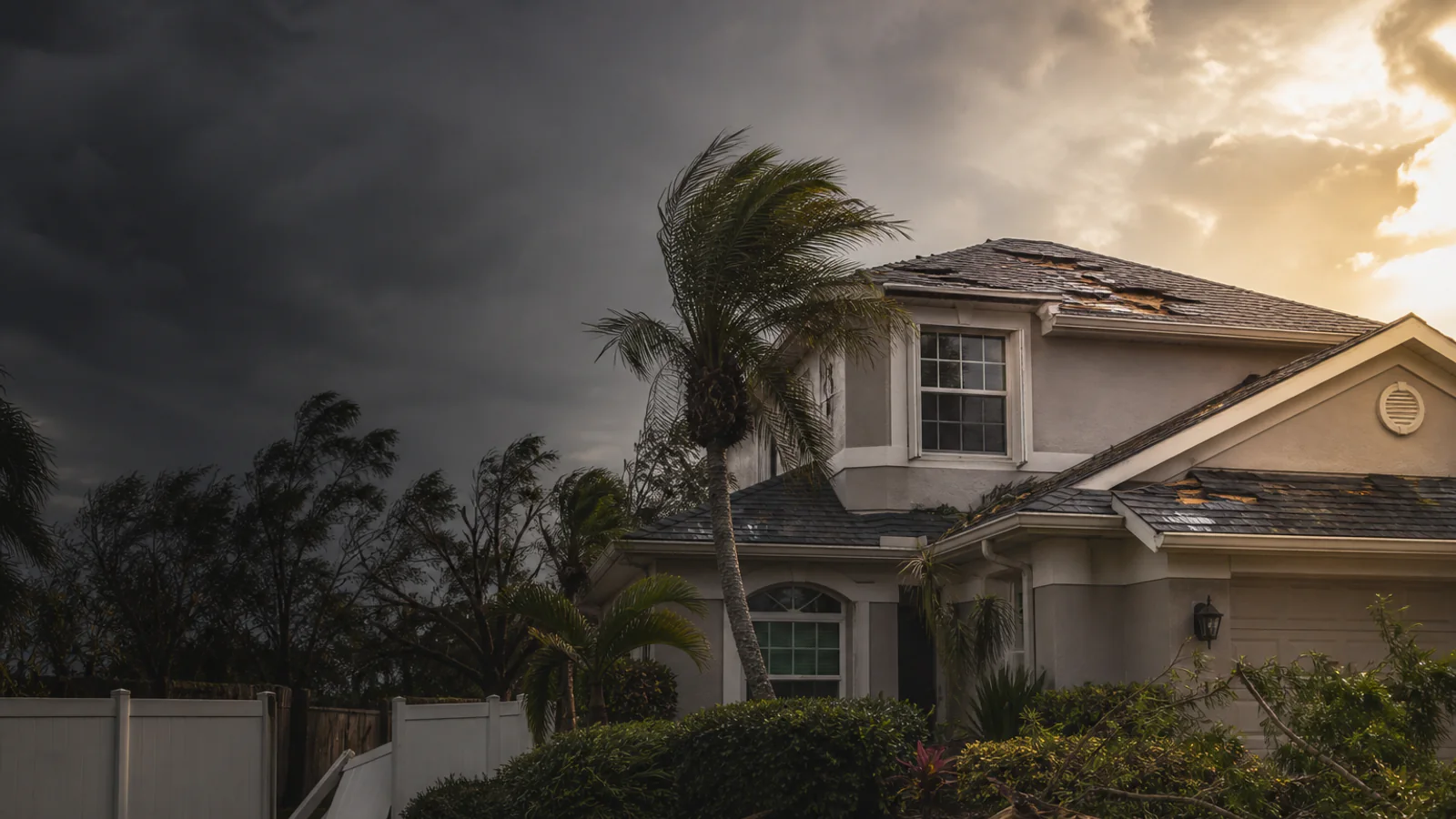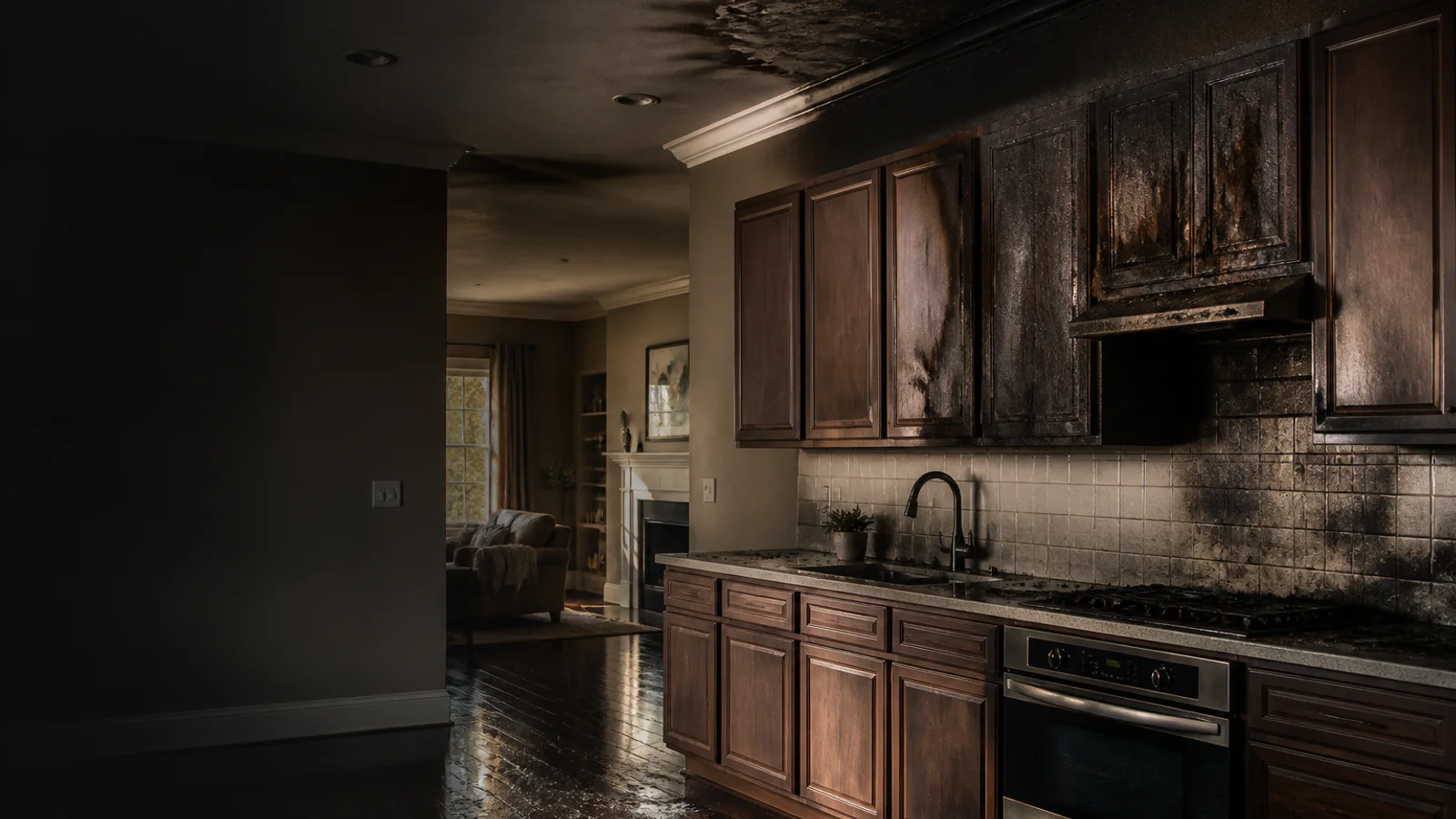
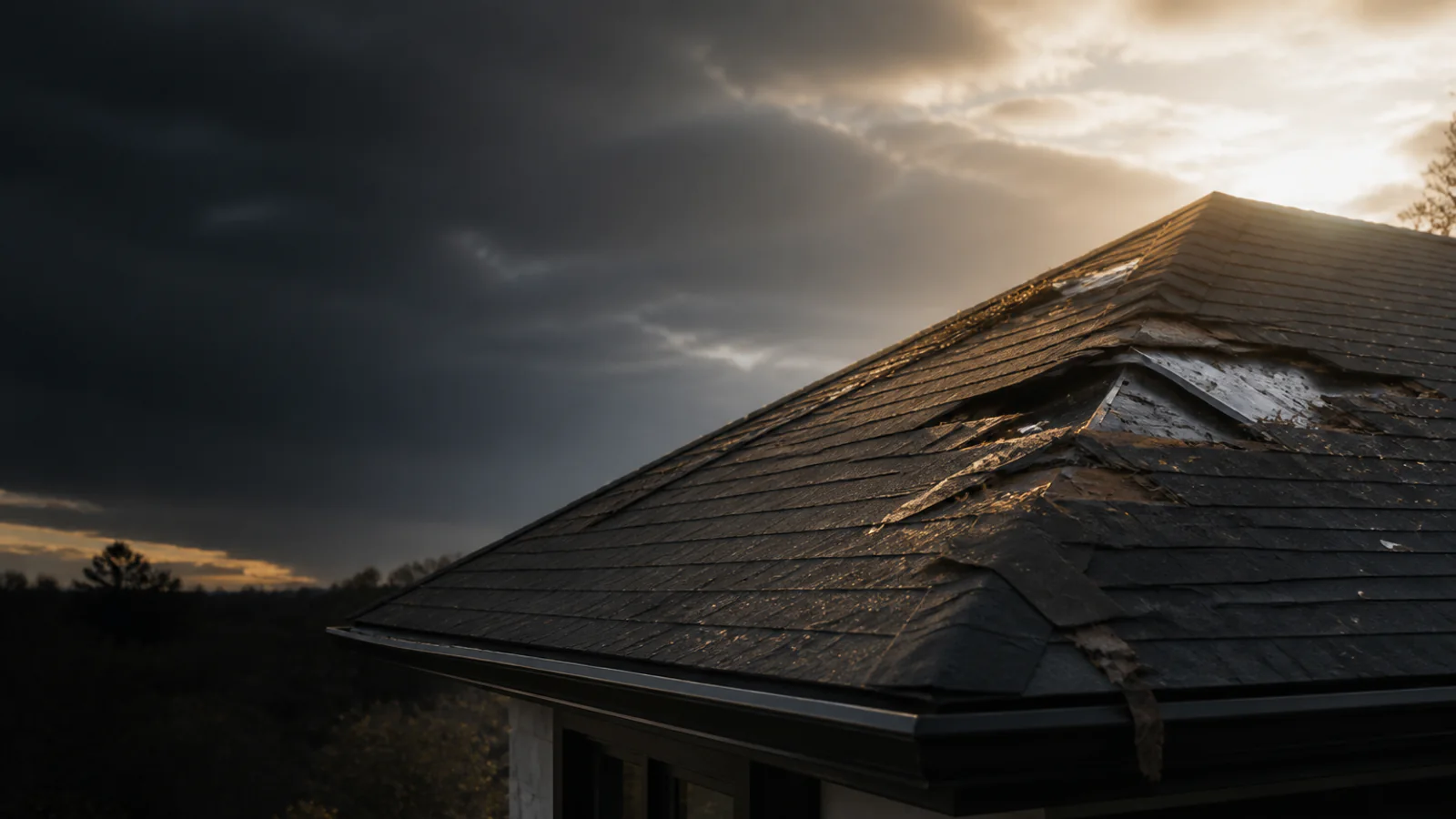
What may be affected
- Building materials and finishes
- Adjoining areas and concealed components
- Contents, systems, and personal property
- Temporary protective work
Nevada · Roof Damage Claims
A roof loss can involve the covering, flashing, vents, drainage, decking, attached features, and rooms below. M&T helps policyholders document how the pieces fit together.
Understand the loss
Document the roof as a system and connect exterior damage to every affected interior area.
The source, timing, affected areas, and emergency-protection records help explain the facts without making coverage assumptions.
General information for policyholders. The policy, facts, and applicable evaluation control coverage and outcome.
Do not walk a damaged, wet, steep, or unfamiliar roof. Ground-level photographs, interior observations, drone imagery where lawful, and qualified professional inspection can provide safer evidence.
We create an organized claim record that connects the roof system, the event, interior effects, and available professional evidence.
No. Existing estimates are useful, but M&T can begin by reviewing the loss information and available documents.
Not automatically. Scope and coverage depend on the cause, condition, repair considerations, policy language, and supporting evidence.
Ask for the written basis and supporting inspection materials. Preserve prior-condition records and qualified findings that address the observed damage.
Yes, but photographs before and during tarping are valuable. Keep the tarp contract, invoice, and documentation of what was covered.
Serving Nevada statewide
M&T works for the policyholder within its licensed public-adjuster role. Coverage and payment depend on the policy, facts, documentation, and claim process.
Jose Theodoro Nunes Weber · License 3970436
Statewide response
Phone and email are required so we can respond.
General information, not legal advice or a promise of coverage, outcome, or payment. Every claim is different.
Professional affiliations and verification
 Active FAPIA member · Member No. 2353
BBB accreditation and FAPIA membership belong to M&T Adjusters Corp. and are shown with verification links; on the Nevada site they appear as company-wide firm credentials. The Xactimate Level 1 credential is historical and expired. Regulator marks and links are shown only for verification and do not imply government endorsement.