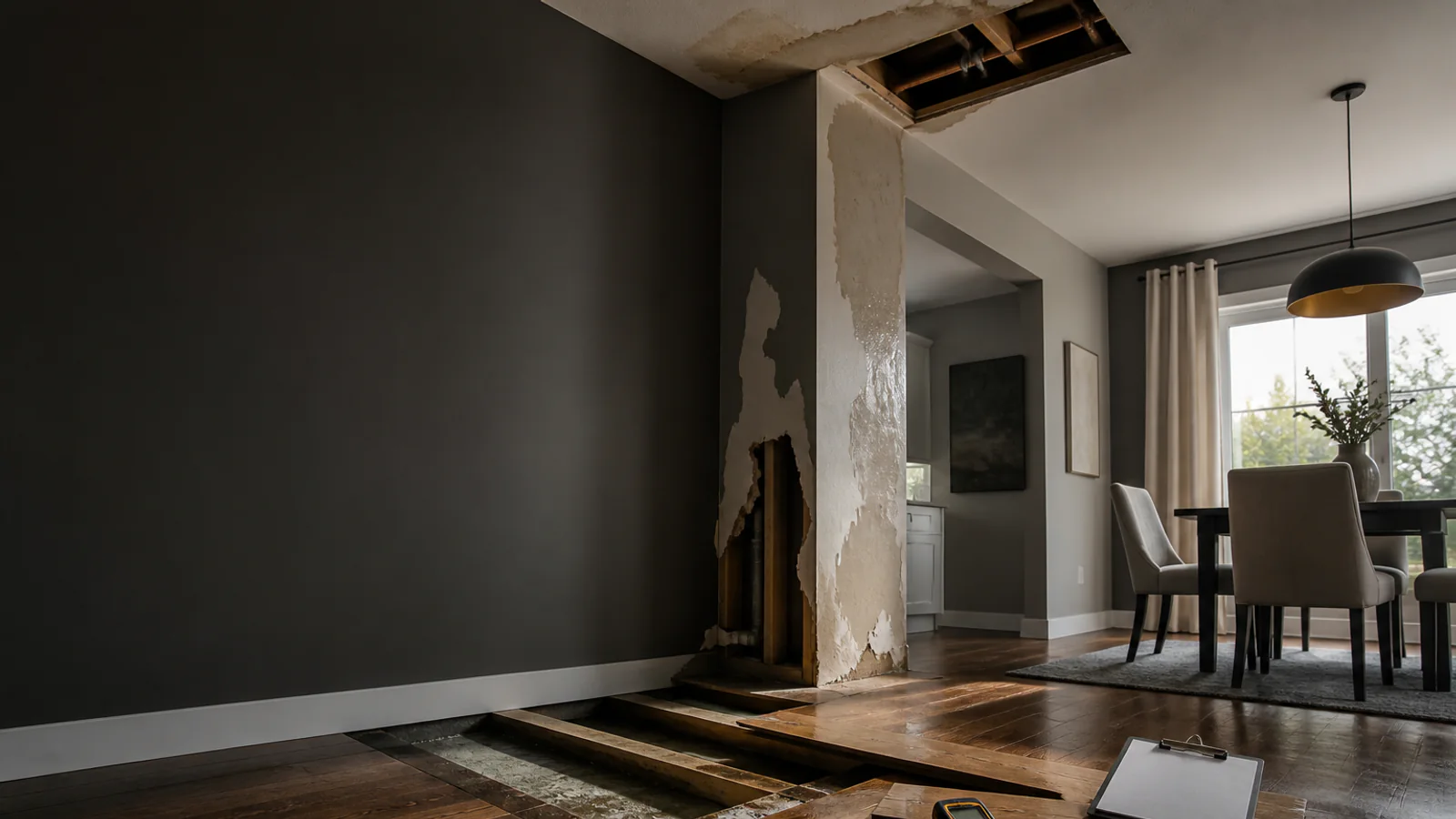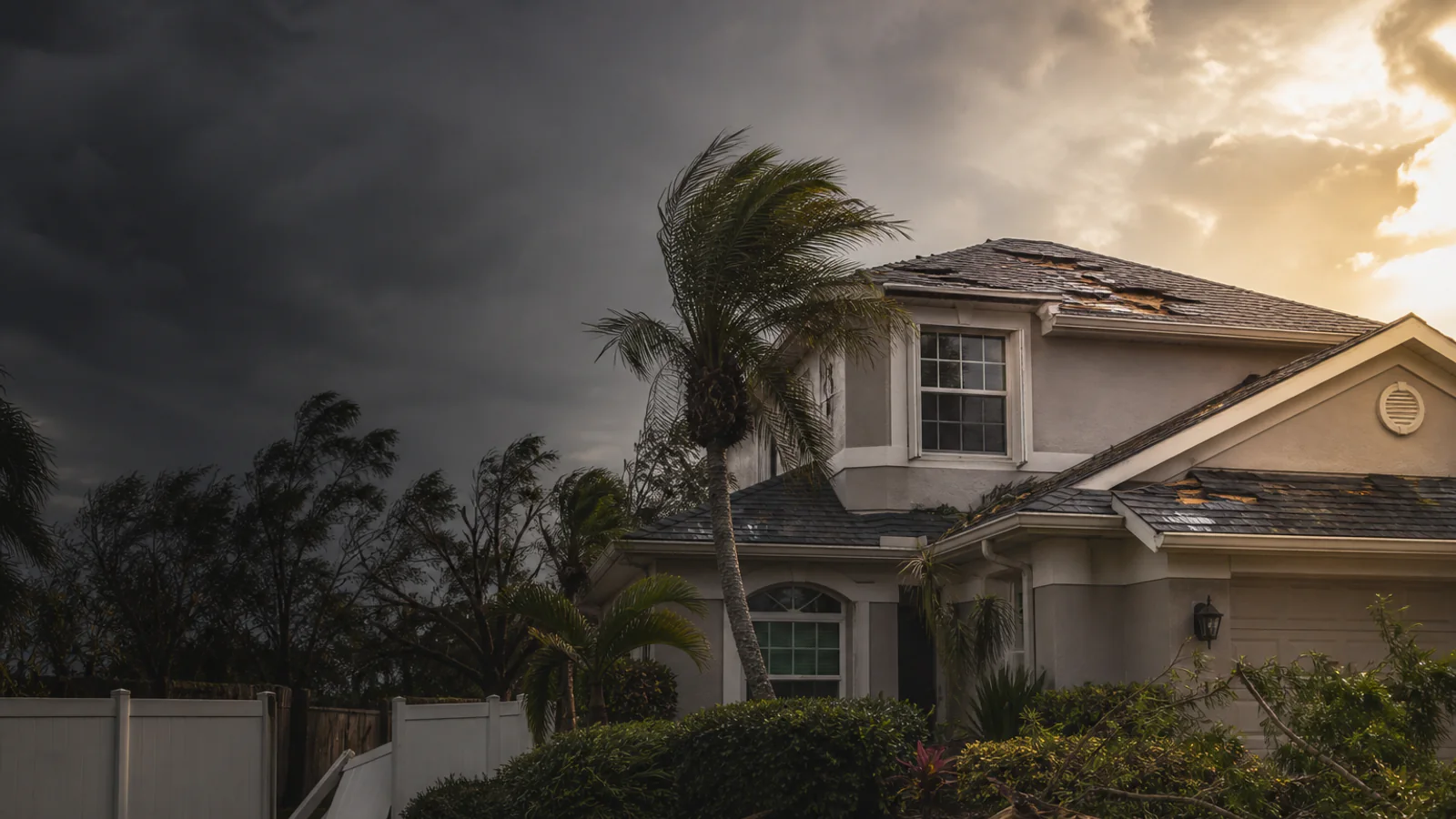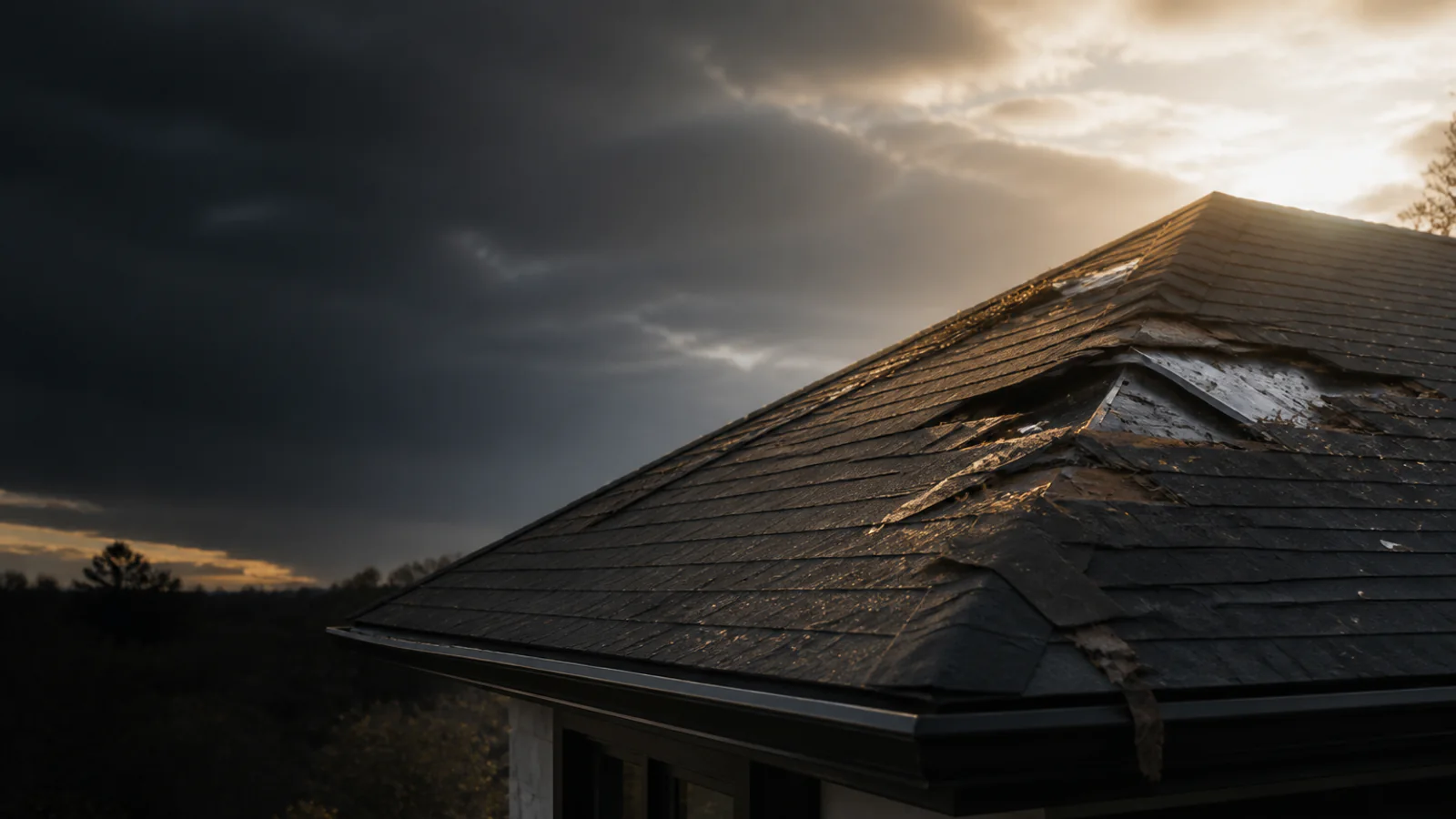
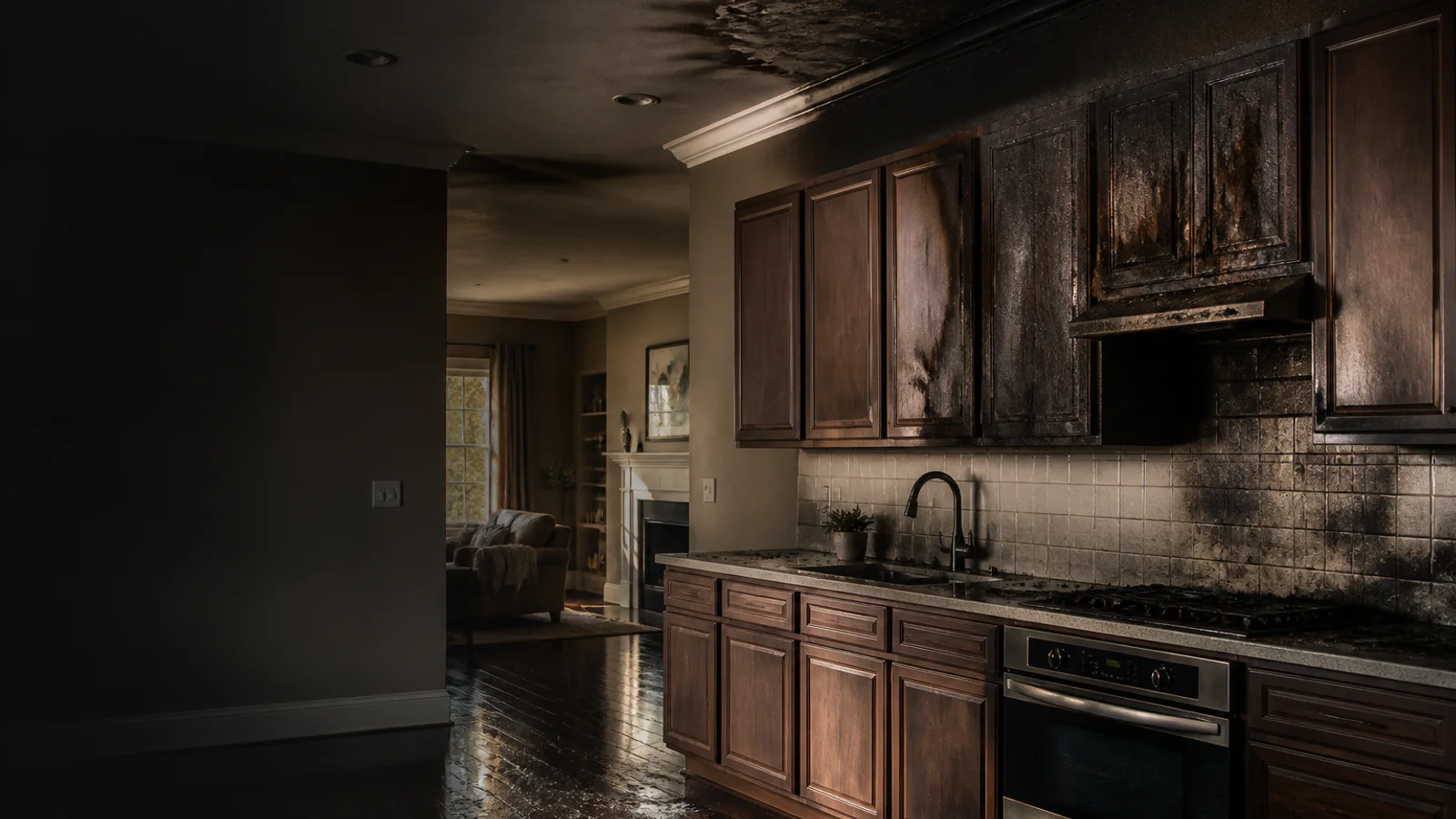
What may be affected
- Building materials and finishes
- Adjoining areas and concealed components
- Contents, systems, and personal property
- Temporary protective work
Nevada · Fire & Smoke Damage Claims
Heat, smoke, soot, odor, firefighting water, and emergency access can affect different parts of a property. M&T helps policyholders organize the building, contents, and expense records into a clear claim presentation.
Understand the loss
Document direct burn damage, smoke migration, water response, contents, and temporary needs as one connected loss.
The source, timing, affected areas, and emergency-protection records help explain the facts without making coverage assumptions.
General information for policyholders. The policy, facts, and applicable evaluation control coverage and outcome.
Follow fire-department and utility instructions. Do not handle unstable, energized, contaminated, or potentially hazardous materials. Use qualified professionals for testing, cleanup, and repair advice.
We coordinate the claim record from the policyholder’s side while safety, remediation, engineering, legal, and repair decisions remain with the qualified professionals responsible for them.
Only after fire officials or other responsible authorities say it is safe. Follow utility and structural restrictions as well.
Do not discard items before documenting them and allowing a reasonable inspection opportunity, unless officials or qualified professionals say they are unsafe or unsanitary to keep.
It may be relevant, but the condition should be documented and evaluated. The facts, testing when appropriate, and policy terms control.
That may require qualified restoration, technical, or other professional input. M&T organizes those records for the claim; we do not replace technical testing.
Serving Nevada statewide
M&T works for the policyholder within its licensed public-adjuster role. Coverage and payment depend on the policy, facts, documentation, and claim process.
Jose Theodoro Nunes Weber · License 3970436
Statewide response
Phone and email are required so we can respond.
General information, not legal advice or a promise of coverage, outcome, or payment. Every claim is different.
Professional affiliations and verification
 Active FAPIA member · Member No. 2353
BBB accreditation and FAPIA membership belong to M&T Adjusters Corp. and are shown with verification links; on the Nevada site they appear as company-wide firm credentials. The Xactimate Level 1 credential is historical and expired. Regulator marks and links are shown only for verification and do not imply government endorsement.