Published · Reviewed · M&T Adjusters
This article provides general educational information. It does not interpret any policy, provide legal or safety advice, or guarantee coverage, payment, or results. The applicable policy, endorsements, facts of the loss, and insurer process control each claim. For health, fire, electrical, structural, or contamination hazards, follow public-authority and qualified-professional instructions.
Start with three separate questions
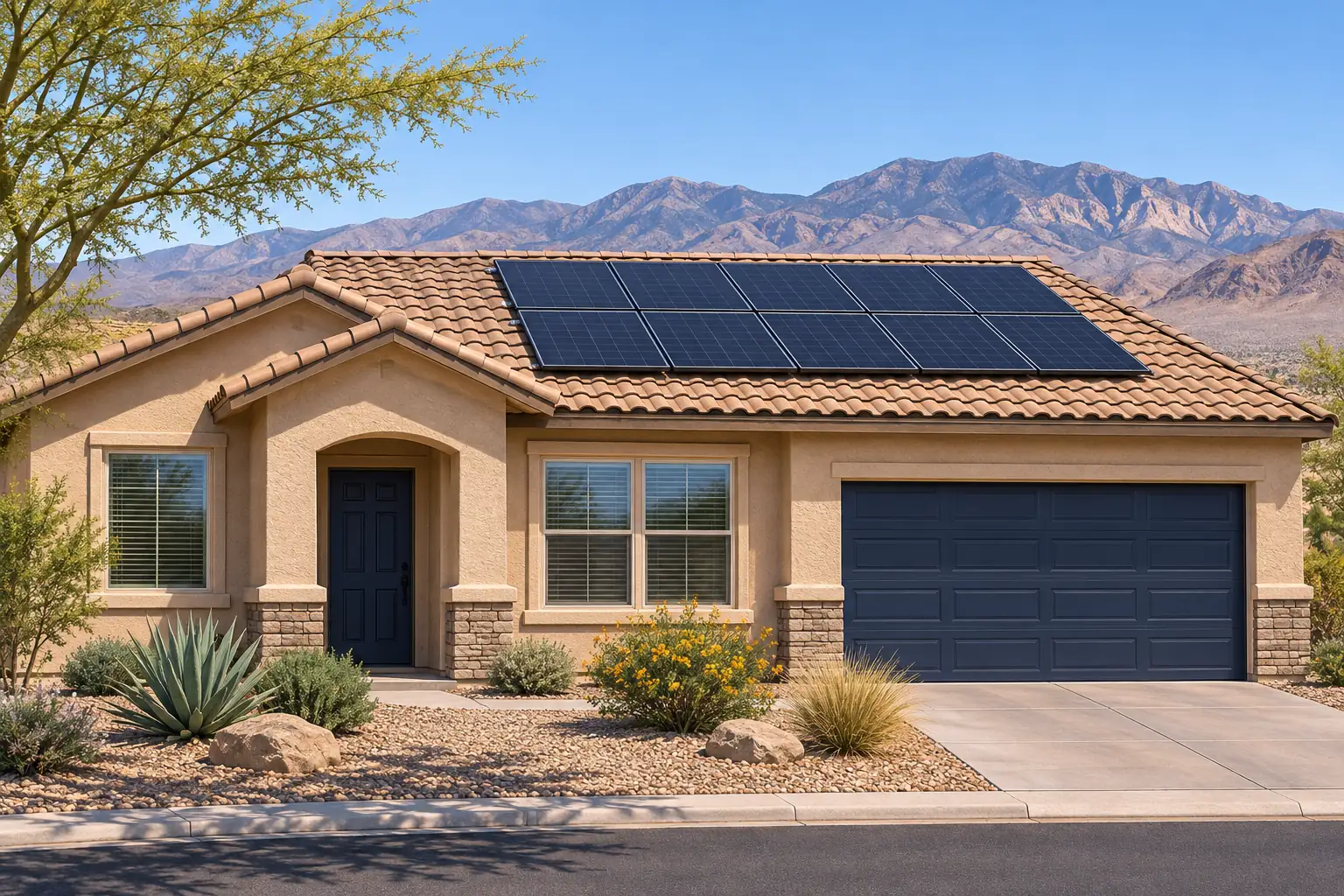
When a damaged Nevada roof has solar panels, organize the file around three questions: Who owns the equipment? Who proposes to perform each part of the work? What has the insurer actually decided? A single roof estimate may answer none of these completely. Keep the roof condition, solar equipment and contract correspondence connected without treating them as the same issue.
This is an optional documentation method for property owners across Nevada. It does not determine cause, interpret a contract, authorize electrical work or promise coverage. Report damage promptly through the appropriate private channels; do not wait for a perfect file before seeking necessary safe assistance.
1. Find the ownership documents
Start with your existing purchase agreement, lease or power purchase agreement, plus any transfer documents received when buying the home. The FTC solar guide linked below explains that a lease or power purchase agreement generally leaves ownership with the provider. A payment statement alone should not replace the agreement when identifying who owns the system.
Make a short contact sheet listing the documented system owner, current service contact, roofer and insurer. Mark an uncertain contact as unconfirmed. Verify contact details through established channels before sending contracts or claim records. Keep account numbers, signatures and financial information out of public posts.
2. Read the relevant contract sections
For a leased system, look for maintenance, repair, removal and roof-related provisions. Nevada NRS 598.9812(2)(n)–(o), linked below, addresses lease disclosures about included maintenance and repairs and any warranty concerning roof damage connected with installation or removal. That disclosure requirement does not establish that a particular storm loss, removal cost or roof repair is covered.
Save the applicable pages with the complete agreement and its date. Ask the provider to identify the provisions it relies on in its response. Keep warranty answers separate from the insurer’s coverage decision. If the parties disagree about legal responsibility, preserve their written positions for appropriate professional advice; do not resolve the disagreement by rewriting the contract in your notes.
3. Map the handoff between trades
Ask the relevant qualified providers to explain their proposed work in writing. Useful questions include who would arrange safe equipment removal, where equipment would be stored, who would protect the exposed roof, and who would handle reinstallation and any required testing or approvals. These are questions to resolve, not instructions for the homeowner to perform the work. Do not climb onto the roof, disconnect equipment or test a damaged solar system for photographs.
For each task, record the provider, proposal date, price if quoted, exclusions and outstanding authorization. Distinguish proposed work from scheduled or completed work. Ask the providers to explain dependencies: for example, whether the roof proposal assumes panels have already been removed. Keep changes dated so the same task is not silently omitted or counted twice.
4. Keep approvals and completion records distinct
Fictional example: a roofer’s proposal excludes solar removal, while the solar provider’s quotation covers removal but says nothing about storage or reinstallation. The next step is to ask for those missing scope details and send the relevant proposals to the insurer. Neither quotation establishes who must pay. This is not an M&T case or an example of a covered claim.
Retain professional condition reports, available photographs, written authorizations, final invoices and completion records with the task they concern. If work changes, preserve the original scope and the dated revision. Our related Nevada estimate-comparison guide below helps compare scope; it does not replace the separate ownership and coordination record. Keep unanswered questions visible until the responsible party supplies a response.
Frequently asked questions
Clear answers, without promises.
Does owning the house mean I own its solar panels?+
Not necessarily. Check the purchase, lease, power purchase and transfer documents rather than assuming ownership from the panels’ location.
Does a solar warranty settle the insurance claim?+
No. Keep the warranty response and the insurer’s decision separate. Each concerns its own terms and facts.
Should I remove panels to photograph roof damage?+
Do not remove or disconnect equipment yourself for documentation. Use safely available views and qualified providers for assessment and work.
Official sources
Sources used for this guide.
- FTC — Solar power for your home
- Nevada NRS 598.9812 — Solar lease disclosures
- Related: Compare Nevada repair estimates
Last editorial review: . External pages may change.